The most useful question is not whether schools will use AI. It is where intelligence can genuinely help, what decisions must remain human and how institutions introduce capability without losing trust.
Begin with a real school problem
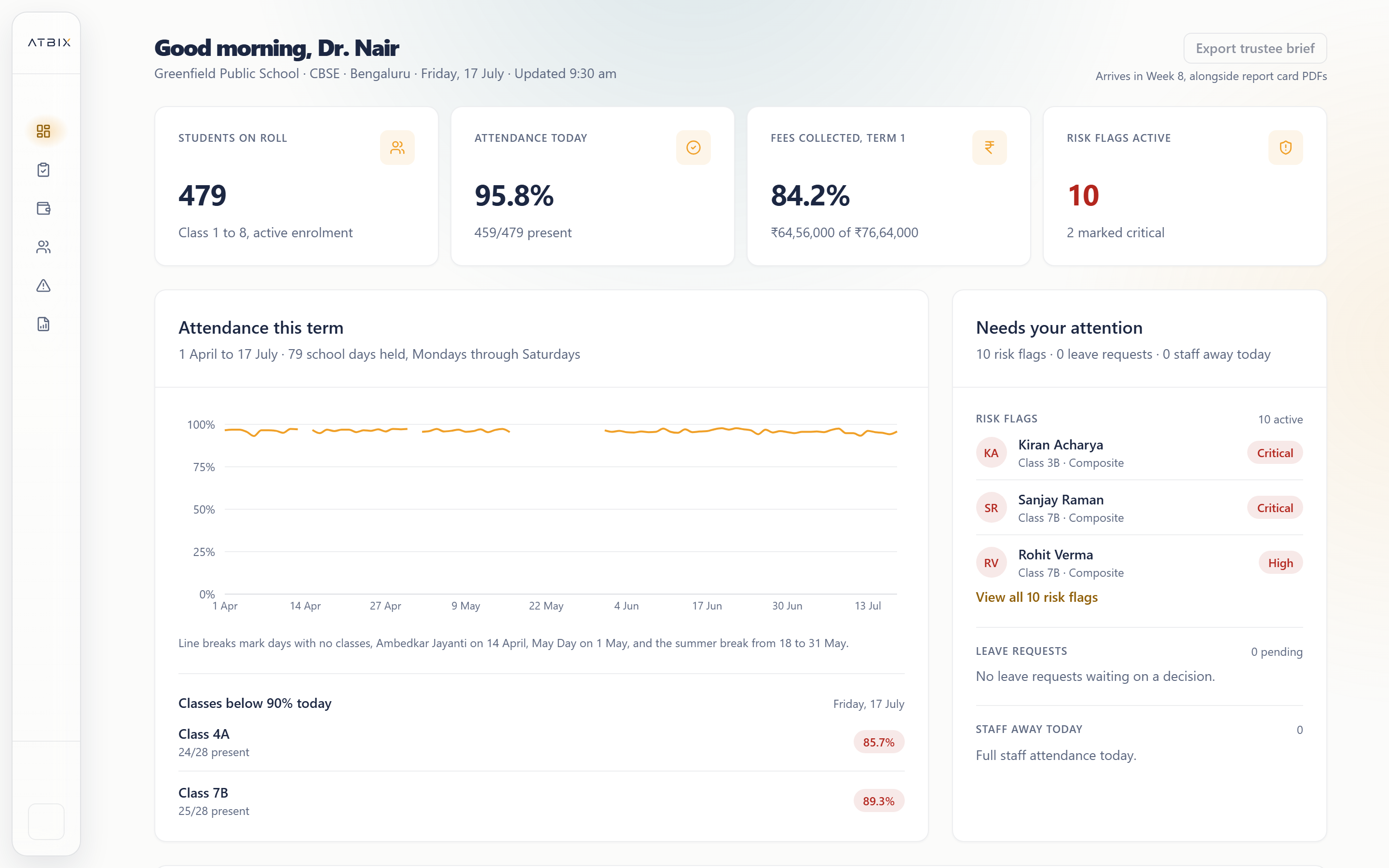
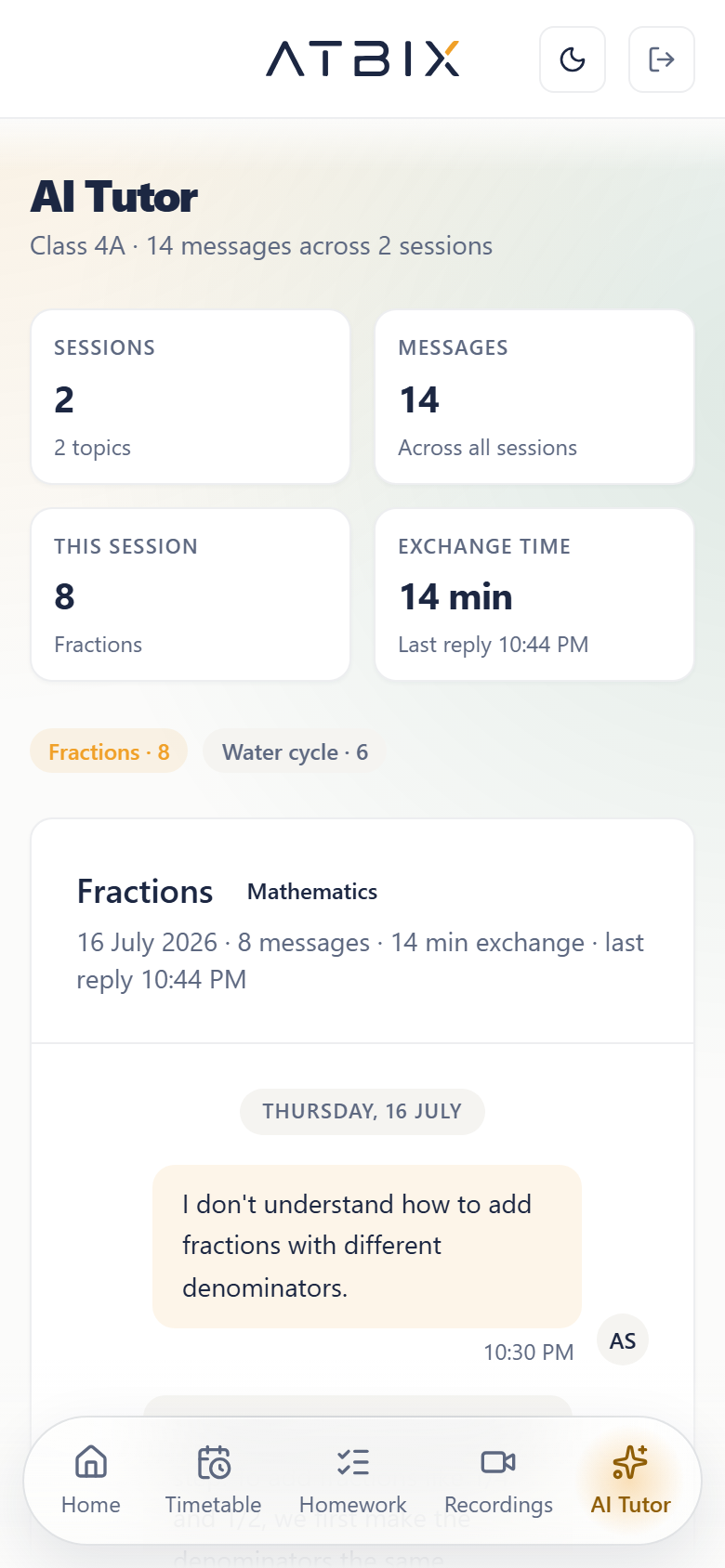
AI becomes valuable when it is attached to a clear need: helping a leader notice an attendance pattern, preparing a first draft of communication or giving a learner another explanation of a difficult concept.
Beginning with the technology usually produces demonstrations. Beginning with the problem produces a product that can become part of the school day.
Keep professional judgement visible
Teachers and leaders understand context that a model cannot fully hold. Responsible systems prepare, suggest and surface; authorised people review, decide and remain accountable.
The interface should make this relationship clear. Suggestions must look like suggestions, important actions should require confirmation and the source of an insight should be understandable.
Trust is part of the feature
Age-appropriate design, role-based access, responsible data practices and explicit institutional controls are not policy documents added after launch. They are product requirements.
Schools should be able to introduce AI in stages, evaluate outcomes, establish expectations and expand only when leadership, educators and families are ready.
THE CENTRAL IDEAResponsible school AI begins with useful support, keeps people in control and treats trust as part of the product experience.